
While scrolling through my X feed, I began connecting the dots between the worsening geopolitical climate and recent market activity, particularly in oil. It filled me with a sense of dread for the lives being lost, alongside a quiet shame for operating in a world where tragedy is so readily monetized. But rather than remaining a helpless doomer, I decided to do what the architects of doom do best: become a helpful doomer by attempting to profit and inspire others to profit from the chaos.
So, it goes something like this…
A few major developments are unfolding simultaneously across global energy markets:
- Escalation in the Red Sea: The Houthis have successfully seized control of the Bab el-Mandeb Strait and the East-West oil pipeline, entering a full-scale conflict with Saudi Arabia. As a result, Saudi Arabia has notified its largest customers to expect no oil supply for at least the next month.
- Strait of Hormuz Disruption: The Strait of Hormuz remains partially closed due to the ongoing U.S.–Iran conflict.
- Russian Refinery Strike: One of Russia’s key oil refineries was hit by Ukrainian strikes today, fueling fears of escalation in the conflict and the threat of a broader Russia–EU confrontation.
- Depleted U.S. Reserves: The U.S. Strategic Petroleum Reserve has dropped to its lowest level since 1982, with a historic (and highly controversial) deal with Venezuela tipped to cushion the supply shock.
- Critically Low Global Inventories: World oil inventories are projected to hit their operational floor of 6.8 billion barrels this month if the Strait of Hormuz stays shut, putting the world on the brink of a global supply shortage, according to JPMorgan.
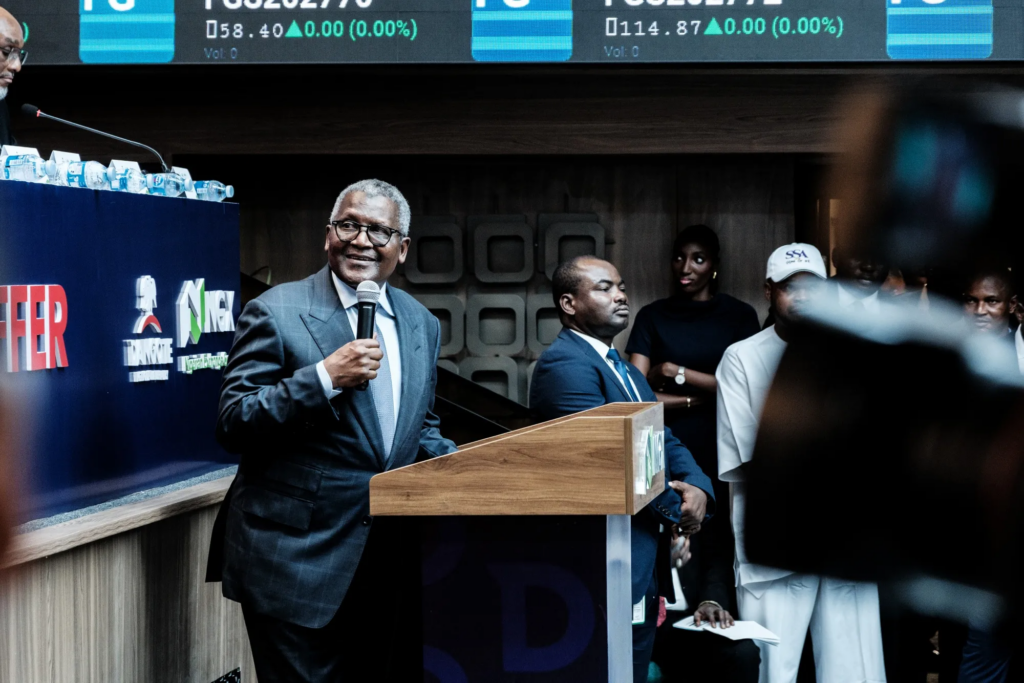
Amid this turmoil, Aliko Dangote, Africa’s richest man, launched an IPO for the Dangote Refinery (the largest refinery on the continent), branded as an “IPO for the people.” I believe there is a strong bullish case for Dangote’s refinery, as well as for many other energy-aligned companies worldwide.
Historical Context: The Last Major Oil Crisis
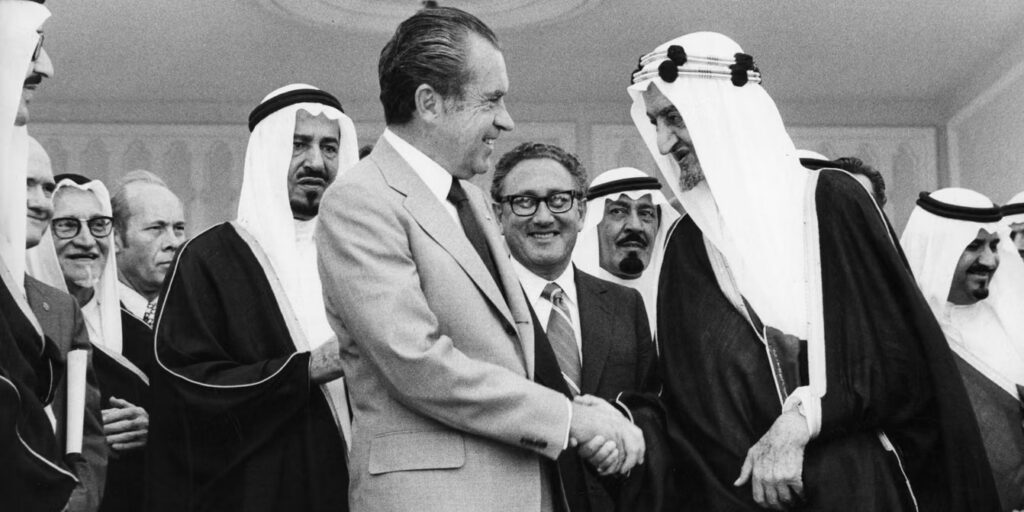
Right now, everyone is scrambling for oil. If these converging crises are left unaddressed, we could be heading toward a disruption on the scale of the 1973 Arab Oil Embargo. During that era, several countries, including Nigeria, emerged as massive winners, triggering macroeconomic shifts that still shape the global economy today, most notably the birth of the Petrodollar.
We may be standing at a similar structural inflexion point. In the 1970s, a new cohort of oil-rich states was flooded with unprecedented wealth, and the Petrodollar system was enshrined. This time, an impending energy crisis stands to favour millions of speculators and investors positioned for these dynamics. It could also prove to be one of the critical dominoes in the eventual decline of the Petrodollar system and American geopolitical hegemony.
While these circumstances are undoubtedly tragic, they also present substantial upside for investors in energy markets and broader commodities. Speculators are already moving, a shift reflected in market charts and spilling over into adjacent asset classes (including crypto).
The Dangote Refinery Bull Case (And Its Pitfalls)

I have my reservations about Dangote himself, the company’s operations, and its broader implications for Nigeria and Africa as a whole. That said, if current market conditions persist, a long-term bull case exists. If you plan to allocate capital, you should first understand the dynamics of the Nigerian Exchange (NGX) listing:
- Structural Liquidity Constraints: The NGX faces chronic long-term liquidity challenges, largely driven by low public free floats and extreme concentration of ownership among a handful of major entities.
- Settlement and Capital Friction: The NGX has a history of settlement friction, which prompted its transition toward a $T+1$ settlement cycle. Foreign investors have been actively paring back exposure, heavily influenced by these structural changes.
- Concentrated Ownership: The ownership concentration issue is particularly acute here—Dangote retains roughly 87% control of the company post-listing.
If you are comfortable navigating these risks, the goal should be reducing structural exposure to the NGX while gaining direct economic exposure to the asset. This could mean looking for a tokenized derivative of the equity for instant liquidity, or holding out for an eventual dual-listing on a major foreign venue like the London or New York Stock Exchange. Alternatively, you can simply gain broader exposure through the thousands of other energy-adjacent stocks, commodities, and index-tracking ETFs available globally.